
Stopping Energy Loss Below Your Home
Crawlspace Insulation in Port St. Lucie and surrounding areas for homes losing conditioned air through unprotected floor systems
Treasure Coast Thermal Solutions installs crawlspace insulation for properties where unconditioned air beneath the home creates temperature imbalances and drives up cooling costs. Crawlspaces without proper insulation allow heat transfer directly through floor systems, forcing air conditioning equipment to work longer cycles to maintain indoor comfort. In coastal and humid regions like Port St. Lucie, Jupiter, Green Acres, or a nearby area, these unprotected spaces also become pathways for moisture-laden air to enter the home, affecting both energy performance and indoor air quality.
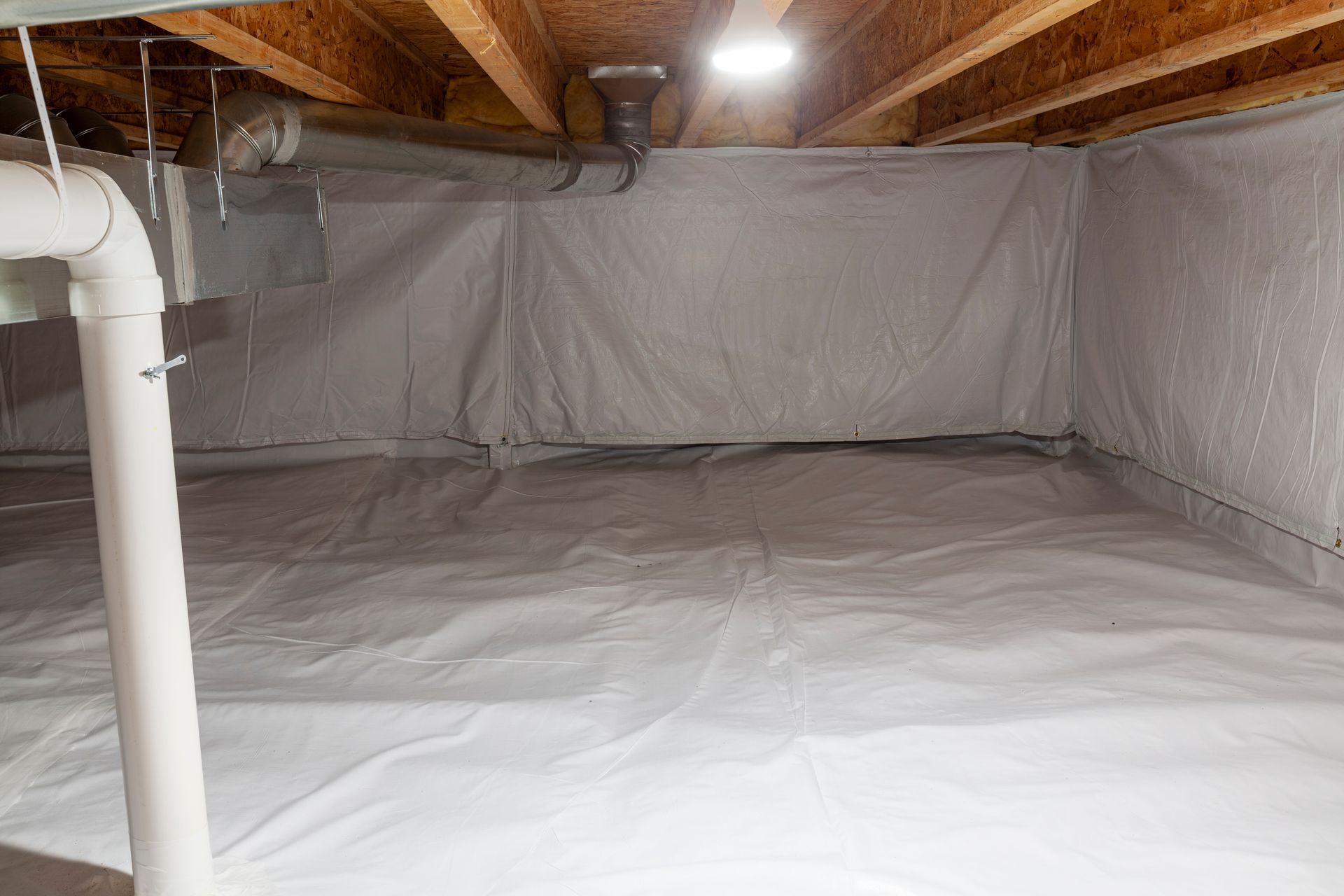
The insulation process involves sealing floor penetrations, installing moisture barriers where needed, and applying insulation materials to the underside of floor joists or along crawlspace walls depending on whether the space remains vented or is conditioned. This approach addresses both thermal performance and the moisture challenges common in Florida's climate, where high humidity can lead to condensation, wood deterioration, and mold growth in untreated crawlspaces.
Schedule a crawlspace evaluation to identify insulation gaps and moisture concerns specific to your property.
How Insulation Changes Crawlspace Conditions
Proper crawlspace insulation creates a thermal barrier that reduces heat transfer between the ground and your living space, which directly lowers the load on your cooling system. In Florida homes, this means floors feel warmer in air-conditioned rooms, reducing that cold-floor sensation common in homes with uninsulated crawlspaces. The insulation also helps control the dewpoint within the crawlspace itself, reducing condensation on ductwork, pipes, and structural members.
After insulation installation, you'll notice more consistent temperatures between rooms and fewer drafts coming up through floor registers or gaps in flooring. Humidity levels inside the home stabilize because the crawlspace no longer acts as a moisture source, and air conditioning systems cycle less frequently since they're not compensating for constant heat gain from below. Treasure Coast Thermal Solutions addresses ventilation requirements during installation to meet code while maintaining moisture control.
The work includes sealing around rim joists and checking for air pathways that allow outdoor air into the crawlspace, which can undermine insulation performance. Properties with HVAC equipment or ductwork in the crawlspace see additional efficiency gains since conditioned air no longer leaks into an unconditioned, humid space before reaching living areas.
Questions Homeowners Ask Before Insulating Crawlspaces
Crawlspace conditions vary based on soil type, drainage patterns, and whether the space was designed as vented or enclosed, so the approach needs to match your property's specific situation.
What happens to existing moisture problems before insulation is installed?
Any standing water, drainage issues, or active leaks must be corrected first, since insulation over wet conditions traps moisture and accelerates deterioration rather than preventing it.
How does crawlspace insulation differ from attic insulation in terms of material and installation?
Crawlspace insulation typically uses closed-cell spray foam or rigid foam boards that resist moisture absorption, whereas attic insulation relies on fiberglass or cellulose that would fail in high-humidity crawlspace environments.
Why do some crawlspaces in Port St. Lucie need vapor barriers while others don't?
Properties with high groundwater, sandy soil, or poor surface drainage benefit from vapor barriers that block moisture rising from the ground, while well-drained sites with low water tables may not require them depending on insulation type and ventilation strategy.
When should I insulate the crawlspace walls instead of the floor joists?
If you're conditioning the crawlspace by sealing vents and treating it as part of the home's conditioned space, wall insulation is more effective and allows easier access to plumbing and ductwork for future maintenance.
What changes indoors after crawlspace insulation is finished?
Floors feel less cold during summer months, rooms maintain temperature more evenly, and musty odors often diminish as the crawlspace stops introducing humid outdoor air into the home's air circulation.
Treasure Coast Thermal Solutions evaluates crawlspace access points, drainage conditions, and existing ventilation to determine the insulation approach that addresses both energy loss and moisture management. Request an inspection to assess your crawlspace and receive recommendations based on current conditions.