Heat That Stops Radiating Into Living Spaces
Attic Insulation in Port St. Lucie and surrounding areas for homes where second floors stay warmer than the thermostat setting despite constant air conditioning
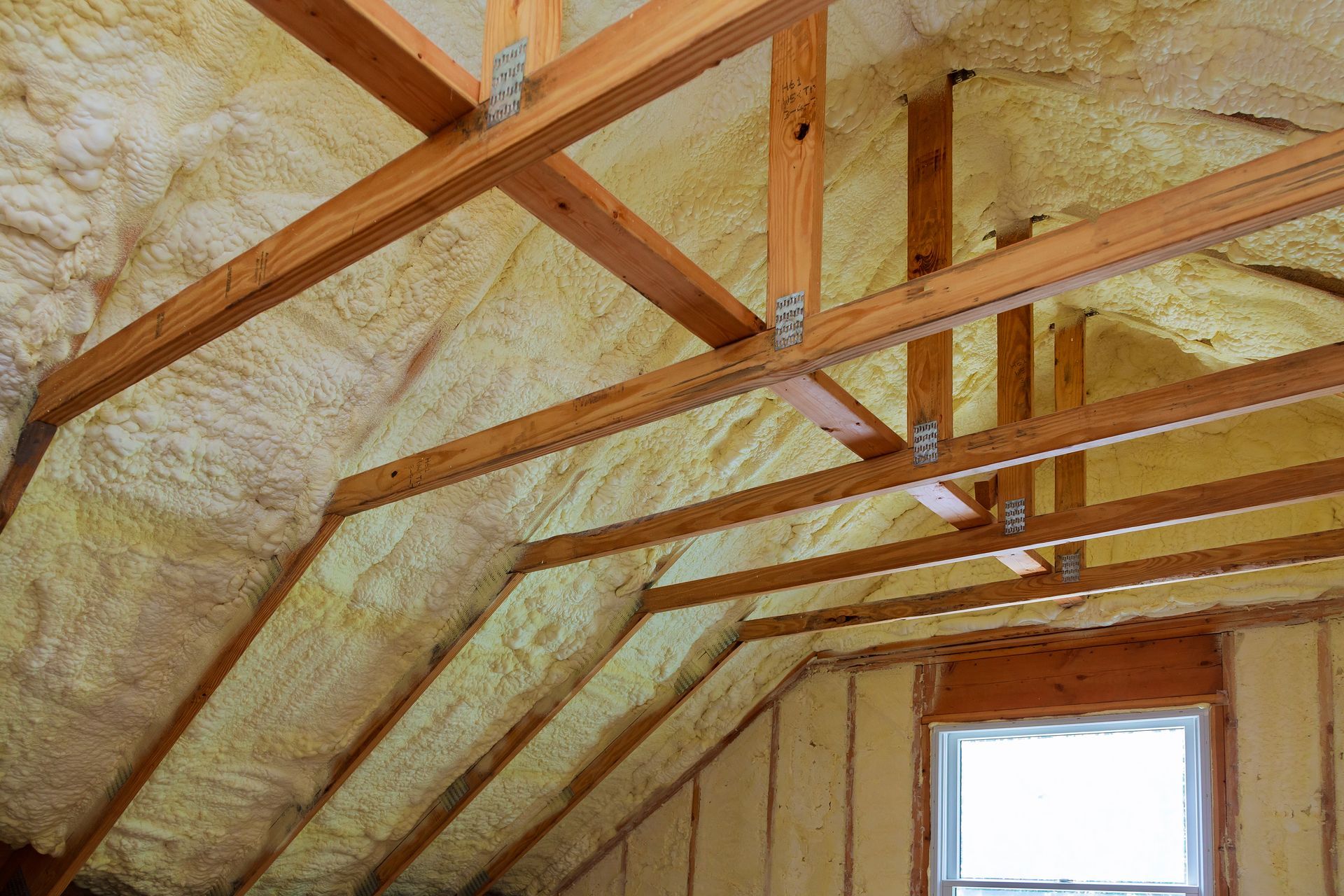
Florida attics routinely reach temperatures exceeding 140 degrees during summer afternoons when direct sunlight heats roof decking that radiates thermal energy downward through ceiling assemblies into the rooms below. Insufficient insulation on attic floors allows this heat to transfer rapidly into living spaces, forcing air conditioning systems to remove the constant thermal load while homeowners notice upper rooms that never quite reach comfortable temperatures no matter how low they set the thermostat. Treasure Coast Thermal Solutions addresses these performance problems through attic insulation installations that create a thermal barrier between superheated attic air and conditioned living spaces, using spray foam applied to roof decks to bring the attic inside the building envelope or blown-in materials placed on attic floors to insulate the ceiling plane depending on your home's design and whether ductwork runs through the attic space.
Attic insulation work begins with inspecting current conditions to identify how much insulation exists, whether moisture staining or damaged materials indicate roof leaks or ventilation problems that need correction first, and what R-value improvement would produce meaningful energy savings based on your home's current performance. The installation strategy considers whether adding insulation over existing material makes sense or whether conditions require removal before new insulation gets placed.
Schedule an attic inspection to measure your current insulation level and identify specific improvement opportunities for your home in Port St. Lucie, Boynton Beach, Loxahatchee, and neighboring communities.
What You Notice Once Attic Performance Improves
Proper attic insulation installation involves achieving consistent coverage depth across the entire attic floor without leaving gaps around penetrations, maintaining clearance around recessed lighting fixtures that generate heat, and ensuring ventilation paths remain open so attic air can circulate and prevent moisture accumulation that would degrade insulation effectiveness or create conditions for mold growth on roof sheathing. When spray foam gets applied to the roof deck instead, the installation seals the attic space entirely and eliminates the ventilation requirement while bringing ductwork and air handlers inside the conditioned envelope where they operate more efficiently.
After the attic insulation upgrade completes, you'll notice that upstairs rooms cool down faster and maintain the thermostat setting more consistently because the insulation blocks the radiant heat that previously transferred continuously from the attic into those spaces. Your HVAC system won't run as many hours per day since it's no longer fighting constant heat gain from above, and monthly electricity bills should decrease noticeably during peak summer months when the cooling load reduction delivers the most savings.
Beyond immediate comfort and cost benefits, properly insulated attics reduce strain on air conditioning equipment that no longer cycles continuously trying to overcome heat transfer through inadequate ceiling insulation, potentially extending system lifespan and reducing the frequency of repairs caused by excessive runtime. The insulation also helps maintain more stable humidity levels in living spaces because the HVAC system runs long enough during each cycle to remove moisture from indoor air rather than short-cycling before adequate dehumidification occurs.
Questions Before Starting Your Project
Understanding how attic insulation affects your home's overall energy performance helps clarify what improvements make sense for your specific situation.
What are the signs that attic insulation needs upgrading?
Visible insulation that appears compressed, sparse, or doesn't reach the top of ceiling joists indicates inadequate R-value, while rooms directly below the attic that feel significantly warmer than other areas suggest heat transfer that better insulation would reduce substantially.
Why is the attic the most important area for energy efficiency improvements?Why is the attic the most important area for energy efficiency improvements?
Heat rises naturally and accumulates in attic spaces where it radiates down through ceilings into living areas, and because attic access is typically straightforward compared to walls or crawlspaces, insulation upgrades deliver significant performance gains with relatively simple installation that doesn't require major construction work.
How does attic insulation reduce strain on HVAC systems?
Better insulation slows the rate at which outdoor heat enters your home, which means your air conditioner removes less total thermal load and can maintain comfortable temperatures with shorter runtime per cooling cycle instead of operating continuously without ever satisfying the thermostat.
Should ductwork in the attic be insulated or should the roof deck get sprayed?
Ducts running through unconditioned attic space lose significant cooling capacity to the extreme temperatures surrounding them, so either insulating ducts heavily or spray foaming the roof deck to bring the entire attic inside the conditioned envelope both improve efficiency, though roof deck insulation typically performs better despite higher initial cost.
How long does attic insulation installation typically take?
Most residential attic insulation projects complete within four to six hours depending on attic size and access constraints, with blown-in applications generally finishing faster than spray foam installations that require more preparation and curing time before the space can be closed up.
Treasure Coast Thermal Solutions provides detailed attic assessments that measure current insulation levels, identify any moisture or ventilation concerns that should be addressed, and recommend specific improvements matched to your home's construction and energy efficiency priorities. Call (772) 489-1021 to arrange an evaluation and discuss which attic insulation solution would deliver the most value for your property.