
Coverage That Reaches Every Gap
Blown-In Insulation in Port St. Lucie and surrounding areas for attics and enclosed cavities where access limitations prevent other insulation methods
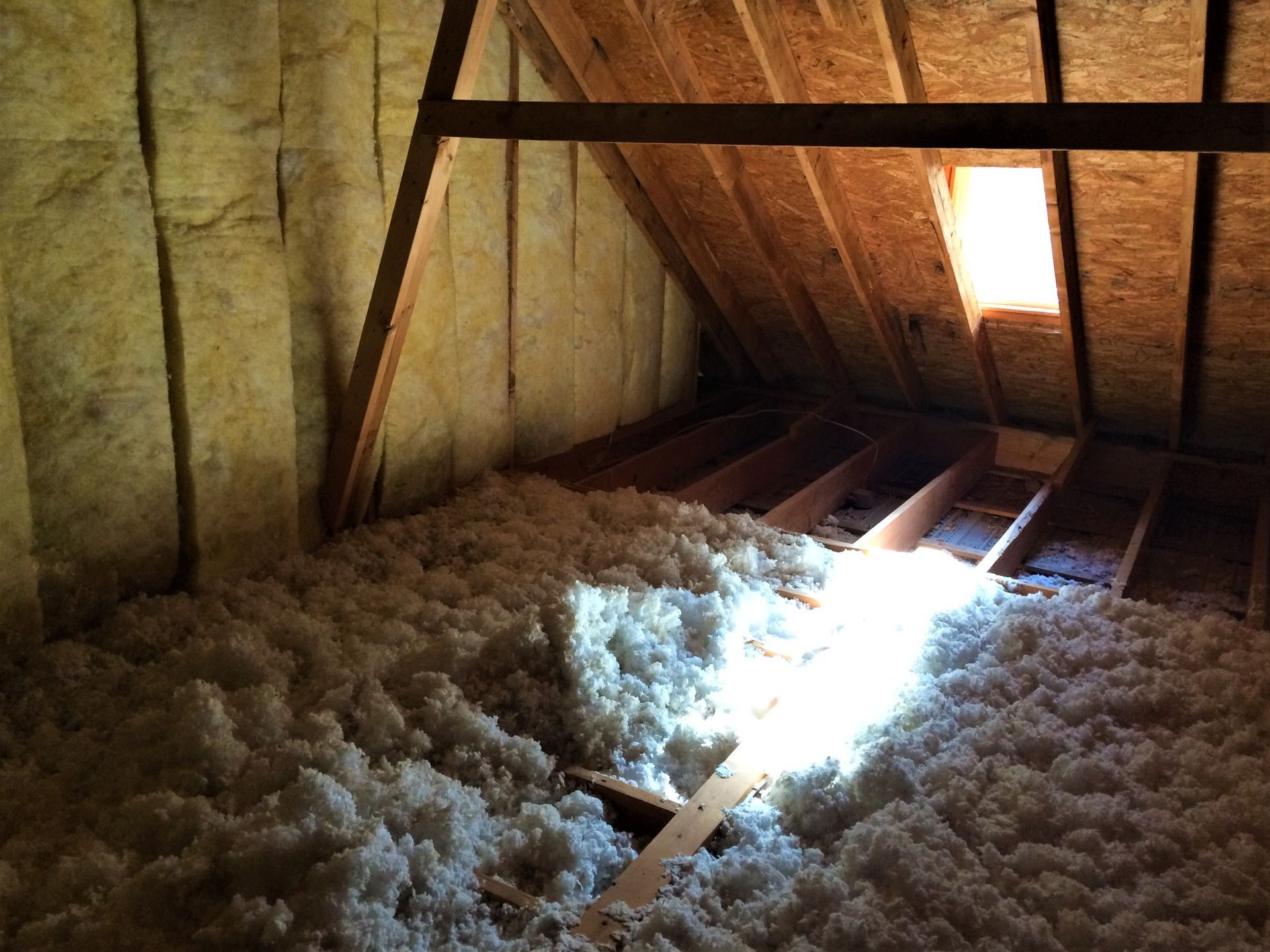
Attics with limited headroom, wall cavities in existing homes, and floor assemblies over crawlspaces create installation challenges that make blown-in insulation the most practical solution for achieving complete thermal coverage. The pneumatic application blows loose-fill cellulose or fiberglass through a hose, allowing the material to flow around obstacles, fill irregular spaces, and build up to the target depth in areas where installing batts would require extensive disassembly or leave gaps around framing members and penetrations. Treasure Coast Thermal Solutions uses blown-in insulation primarily for attic upgrades where homeowners need additional R-value over existing insulation that has settled or degraded, though the method also works effectively for retrofit applications in walls when access holes can be drilled and patched after installation completes.
The installation process involves calculating the coverage area and required depth to achieve the target R-value, then feeding baled insulation material through a blowing machine that breaks apart the compressed fibers and propels them through hoses positioned in the application area. The installer monitors depth markers or gauges to ensure consistent coverage across the entire attic floor or cavity being filled, adding extra material in areas where settling might occur or where initial coverage appears less dense than specified.
Request a blown-in insulation evaluation to determine how much additional R-value your attic or walls need to meet current energy efficiency standards in Port St. Lucie, Indiantown, Palm Beach, Pompano Beach, and neighboring communities.
What Changes After Additional Insulation Gets Installed
Blown-in insulation distributes evenly across attic floors, flowing into corners, around truss members, and over the top of ceiling joists to create continuous coverage without the seams or compression points that reduce effectiveness when fitting rigid batts into irregular spaces, with the loose-fill material conforming to whatever geometry exists in the application area. The depth measurement determines total R-value, with typical attic upgrades in Florida adding six to twelve inches of material depending on what currently exists and what performance improvement you're targeting.
Once the installation is complete, rooms directly below the insulated attic will feel noticeably cooler because the additional insulation slows the heat radiating down from roof decks that reach extreme temperatures under direct sun exposure throughout Port St. Lucie's long cooling season. Your air conditioning system will cycle off more frequently instead of running continuously, and the second floor or upper rooms that previously remained warmer than the thermostat setting should now match the temperature maintained in lower levels of the home.
Blown-in insulation settles slightly over the first few months after installation as the loose fibers compact under their own weight and from air movement in the attic space, which is why installers typically apply material to a slightly greater initial depth than calculations require for the target R-value. The method works well for retrofit projects because installation causes minimal disruption to occupied spaces, requires only attic access rather than removing interior finishes, and completes quickly compared to insulation approaches that involve more invasive construction work.
What Property Owners Usually Ask
Homeowners frequently want to understand how blown-in insulation compares to other options and what results they should expect after installation.
How does blown-in insulation address hot and cold spots in the home?
Uneven temperatures typically result from inconsistent insulation coverage or depth variations that allow more heat transfer in some ceiling areas than others, and blown-in installation creates uniform coverage that eliminates these performance differences by filling every space to the same depth.
What's the difference between cellulose and fiberglass blown-in insulation?
Cellulose consists of recycled paper treated with fire retardants and settles more than fiberglass, while fiberglass uses spun glass fibers that maintain loft better over time, with both materials providing similar R-value per inch though cellulose typically costs less and fiberglass resists moisture absorption more effectively.
Can blown-in insulation be added over existing attic insulation?
Adding material over old insulation is common practice and often more cost-effective than removing existing insulation first, as long as the current material isn't damaged, contaminated, or retaining moisture that would indicate a separate problem requiring attention before new insulation gets installed.
How much insulation depth do attics need in Florida's climate?
Building codes recommend R-30 to R-38 for attic floors in South Florida, which typically requires twelve to fifteen inches of blown cellulose or fiberglass depending on the material's R-value per inch and accounting for the settling that occurs after installation.
Will I notice lower energy bills immediately after blown-in insulation installation?
Most homeowners see reduced cooling costs within the first full billing cycle after installation because the improved insulation immediately reduces heat transfer into living spaces, though the exact savings amount depends on your home's previous insulation level, HVAC efficiency, and how you set the thermostat.
Treasure Coast Thermal Solutions measures your current attic insulation and calculates exactly how much additional material will bring your home up to recommended R-values for optimal thermal performance. Set up an inspection to receive a specific recommendation and cost estimate for your attic upgrade project.